
What to Expect on Your Dog’s First Off-Leash Hike
What to Expect on Your Dog’s First Off-Leash Hike
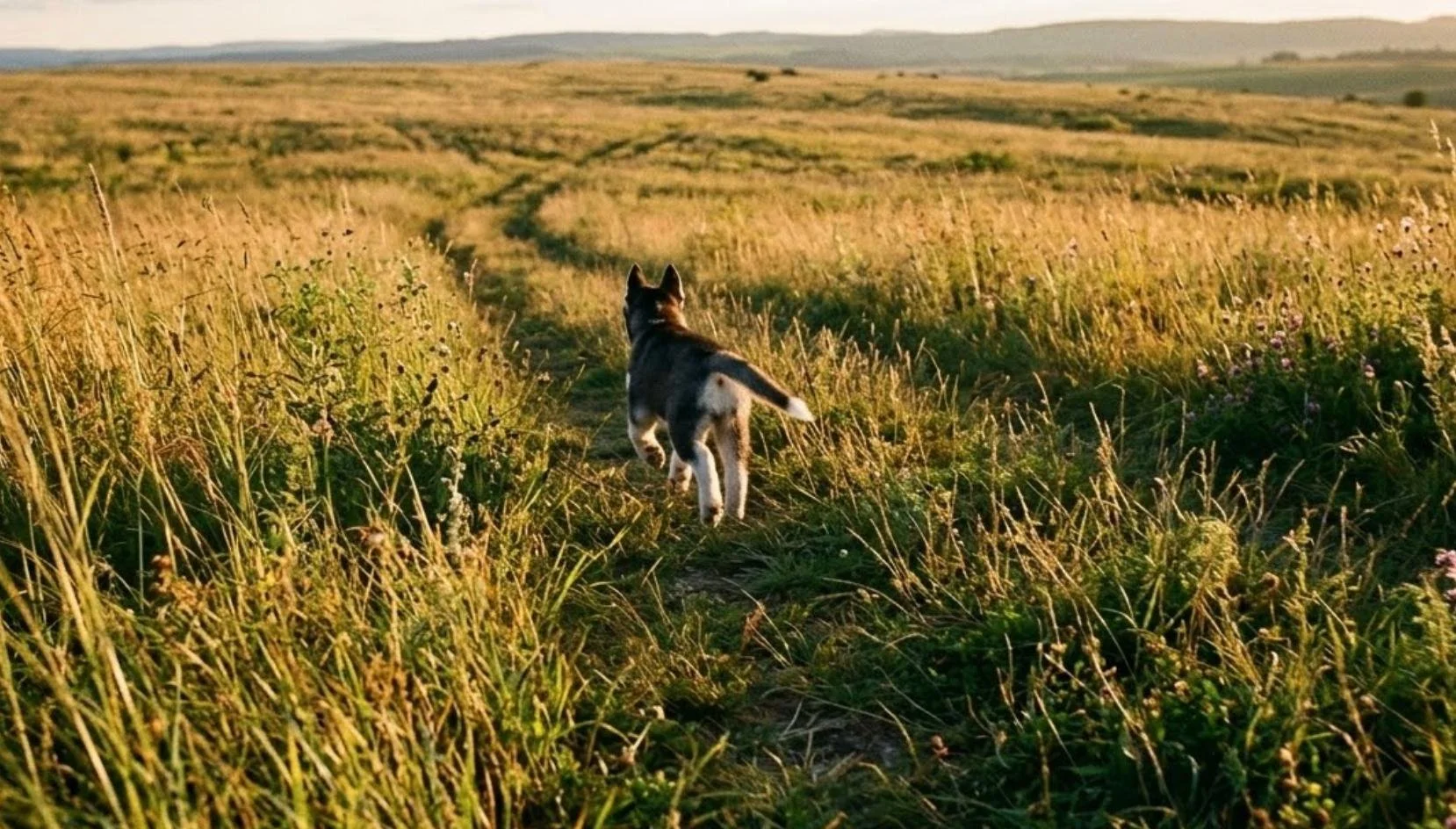
A first off-leash hike can feel like a big step for any NYC dog owner. Here is what the day actually looks like, how we make safety decisions, and why most dogs settle into the experience faster than their owners expect.
Sending your dog on their first off-leash hike can feel exciting and slightly terrifying at the same time.
That makes sense. For most New York City dog owners, daily life revolves around leashes, sidewalks, traffic, apartment buildings, elevators, and tightly managed routines. The idea of your dog moving freely on a trail can feel like a big leap, especially if you have never seen them in that kind of environment before.
The good news is that a well-run off-leash hike should not feel random or chaotic. It should feel structured, intentional, and calm from start to finish.
At Concrete to Creek, we do not treat off-leash time as a free-for-all. It is a decision we make carefully based on the dog, the setting, the group, and what will set everyone up for the safest and best experience possible.
If you are wondering what your dog’s first hike will actually look like, here is what to expect.
Before the Hike: We Learn About Your Dog
Before your dog ever joins the pack, we want context.
That includes basics like age, energy level, temperament, social style, recall history, medical needs, and how your dog typically behaves in new environments. Some dogs are confident right away. Some need a little more time to settle in. Some are highly social. Others do better with a more measured introduction.
This early information helps us think through fit, group dynamics, and how to set up the first hike well.
We are not looking for perfection. We are looking for information.
Off-Leash Is Earned, Not Assumed
This is the part many first-time clients care about most.
Just because a dog is joining a hike does not mean they are automatically off-leash the second they step onto the trail. Off-leash decisions are made dog by dog.
We consider things like:
- Recall
- Attentiveness to the handler
- Body language
- Confidence level
- Response to the environment
- Compatibility with the group
- Overall safety on that specific trail
Some dogs settle in quickly and are ready for more freedom early in the hike. Others stay on a long line or remain more managed while they acclimate. Some may need multiple outings before full off-leash access makes sense.
That is not a setback. That is good handling.
The goal is not to force every dog into the same experience. The goal is to make smart decisions that build trust and keep the pack safe.
What the Morning Usually Looks Like
Most dogs start the day with pickup and transport out of the city. For many first-timers, the transition from apartment life to trail life is part of the experience.
Some dogs are excited right away. Some are quiet in the car. Some need a little time to understand that they are heading somewhere different than the vet, daycare, or a neighborhood walk.
Once we arrive, there is a shift. The pace changes. The noise drops. The dogs start taking in a different kind of information.
The first few minutes on the trail matter. We are watching how your dog enters the environment, how they move, how they respond to the other dogs, and how connected they are to the handler. That tells us a lot.
What Your Dog May Feel on the Trail
A first hike is often mentally big for a city dog.
There are new smells, uneven terrain, natural water, changing surfaces, and more room to move than they are used to. For many dogs, that kind of environment is stimulating in the best possible way. It gives them something real to do.
You may see your dog:
- Sniff more than usual
- Move with extra focus
- Check in frequently
- Stay close at first
- Gradually become more confident
- Settle into the rhythm of the group
This is normal.
A lot of dogs do not explode with excitement the way owners expect. They often become thoughtful. Curious. Busy. Grounded. The trail gives them a job.
What We Bring and What You Need to Provide
Clients often assume they need to pack a huge list of gear. Usually, you do not.
We handle the trail-specific essentials needed for the hike itself. Owners usually just need to make sure we have the basics we request ahead of time, such as an appropriate collar or harness, updated information, and anything specific your dog needs.
If your dog has a medical issue, sensitivity, or anything we should know about, tell us in advance. Same for feeding instructions, medication, or behavioral quirks that help us handle them well.
In most cases, the biggest thing you need to bring is accurate information.
That is more useful than a backpack full of extras.
What If My Dog Does Not Go Off-Leash Right Away?
That is completely fine.
Some dogs need a slower ramp. Some need to build confidence. Some need to prove that they can stay connected before they get more freedom. A good hike service should not be trying to win points by rushing this.
A dog staying managed on their first outing does not mean they are failing. It often means we are doing our job well.
First hikes are about observation as much as exercise. We are learning how your dog moves through the environment and what setup helps them succeed.
How Dogs Usually Respond After the Hike
This is the part owners love.
Most dogs come home physically tired, but the more important change is that they are mentally settled. They have had to process new terrain, move with purpose, follow a group, and engage with a richer environment than a neighborhood sidewalk can provide.
The result is often a deeper kind of calm.
Many owners notice:
- Longer naps
- Easier settling at home
- Less restlessness
- Better sleep that night
- A calmer mood the next day
That is one reason hiking can feel different from daycare or a long city walk. It is not just energy out. It is fuller engagement.
Common Worries From First-Time Clients
What if my dog runs off?
This is exactly why off-leash decisions are made carefully and not assumed. We assess the dog, the trail, the group, and the moment.
What if my dog is nervous?
A lot of dogs need a little time at first. That is normal. We do not expect every dog to enter a new environment with instant confidence.
What if my dog is overly excited around other dogs?
That depends on the dog, but first hikes are part of how we learn what structure and management they need.
What if my dog is different on trail than in the city?
They usually are. Often in a good way. Many dogs who are tightly wound in the city become more grounded in nature.
Why the First Hike Matters
The first hike is not just an outing. It is the beginning of a relationship.
Your dog is learning the rhythm of the pack, the expectations of the trail, and the trust that comes from being handled clearly in a new environment. We are learning your dog too, which helps us make better decisions on future outings.
The goal is not to throw your dog into chaos and hope for the best.
The goal is to create an experience that feels safe, structured, and deeply fulfilling.
Final Thoughts
If you are nervous about your dog’s first off-leash hike, that is normal. Most owners are.
But a good first hike should not feel reckless. It should feel thoughtful. Off-leash freedom is not the starting point. It is something built through observation, judgment, and trust.
For many city dogs, the trail ends up feeling more natural than their owners expected. And for many owners, the biggest surprise is not that their dog can handle it. It is how right it seems once they are there.
See If Your Dog Is a Fit for the PackFrequently Asked Questions
Will my dog be off-leash on the first hike?
Not necessarily. Off-leash decisions are made based on the individual dog, their behavior on trail, recall, confidence, and overall safety.
What should I bring for my dog’s first hike?
Usually just the basics we request ahead of time, plus any important medical, behavioral, or feeding information. We handle the hike-specific trail setup.
What if my dog is nervous on the first hike?
That is common. Many dogs take a little time to adjust to a new environment. A structured first hike should allow for that.
Do dogs usually like off-leash hikes right away?
Many do, but not always in the way owners expect. Instead of getting wild, a lot of dogs become focused, curious, and more grounded.
Is an off-leash hike safe for a city dog?
It can be, when the hike is run with good screening, smart handling, careful group management, and dog-by-dog decisions about freedom and control.
