
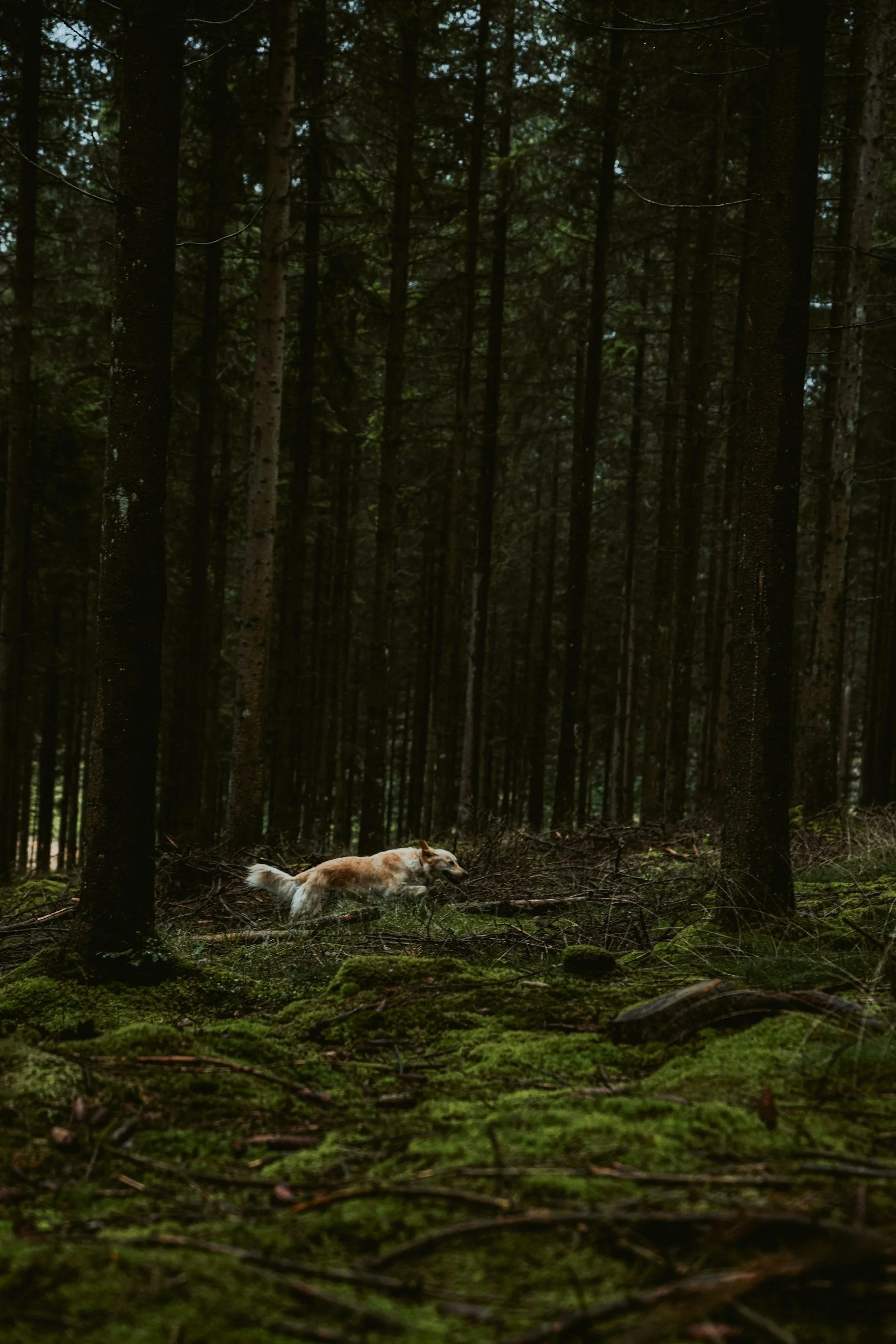
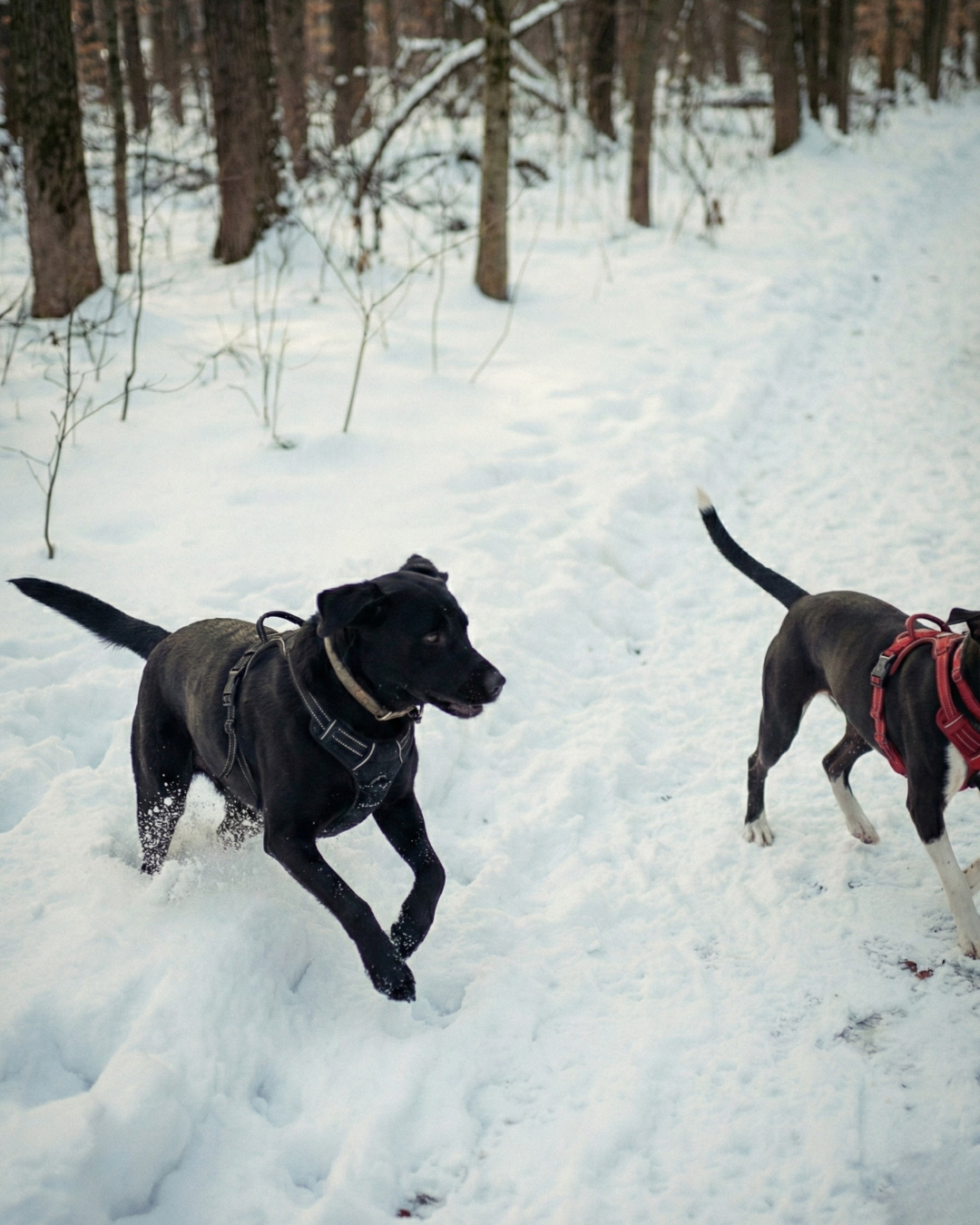
How Cold Is Too Cold to Walk Your Dog? NYC Winter Guide
How cold is too cold to walk your dog? Learn safe winter walking temperatures, warning signs, paw protection tips, and cold-weather hiking advice for NYC dogs.
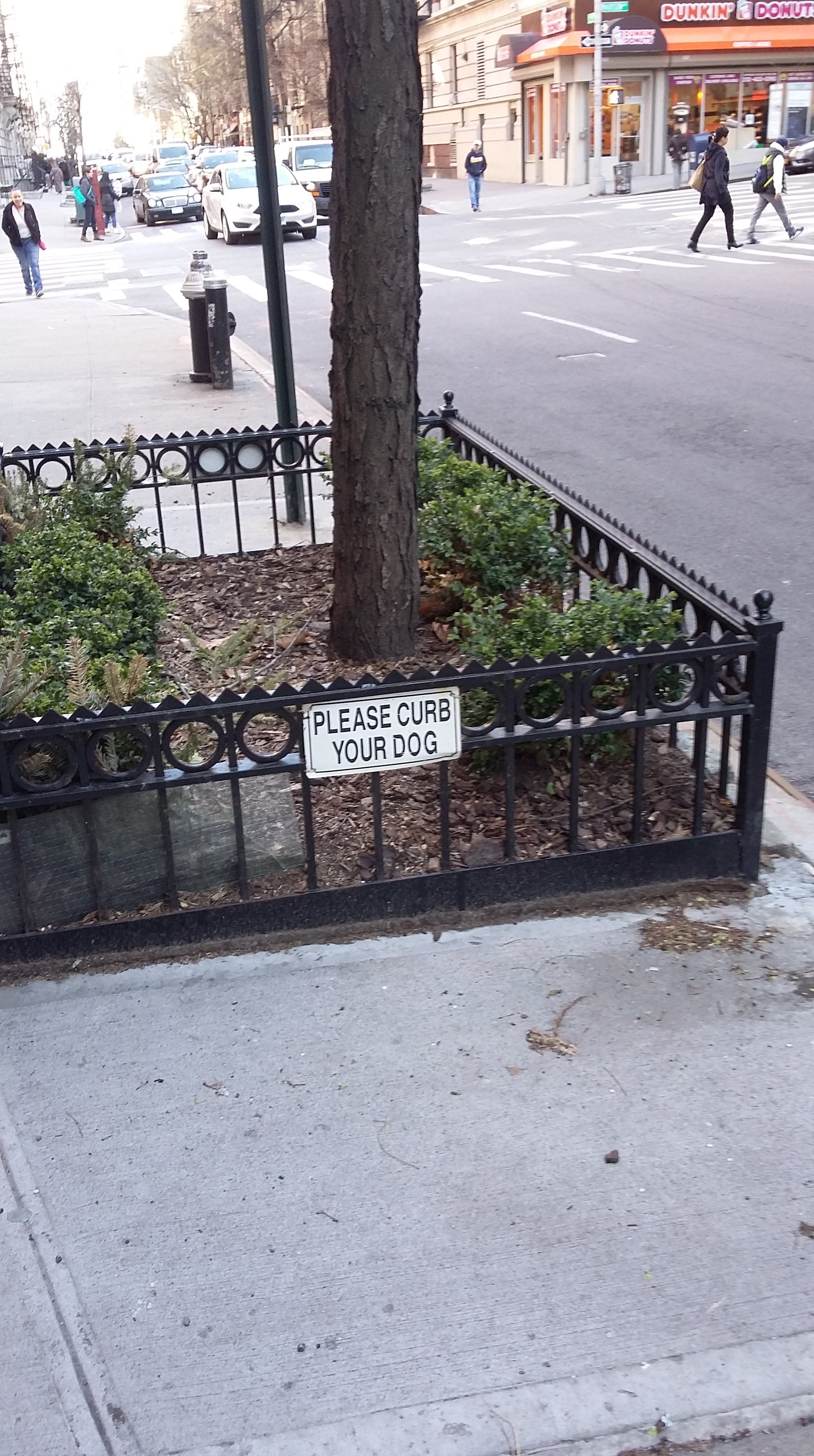
Where Your Dog Pees Actually Matters: A Guide to City Trees, Tree Pits, and Being a Good Neighbor
There is a quiet argument happening on every block in this city and most people involved in it have never said a word out loud. Here's the honest version of what dog urine actually does to street trees, why no law covers it, and what you can do that doesn't require anyone to feel bad.
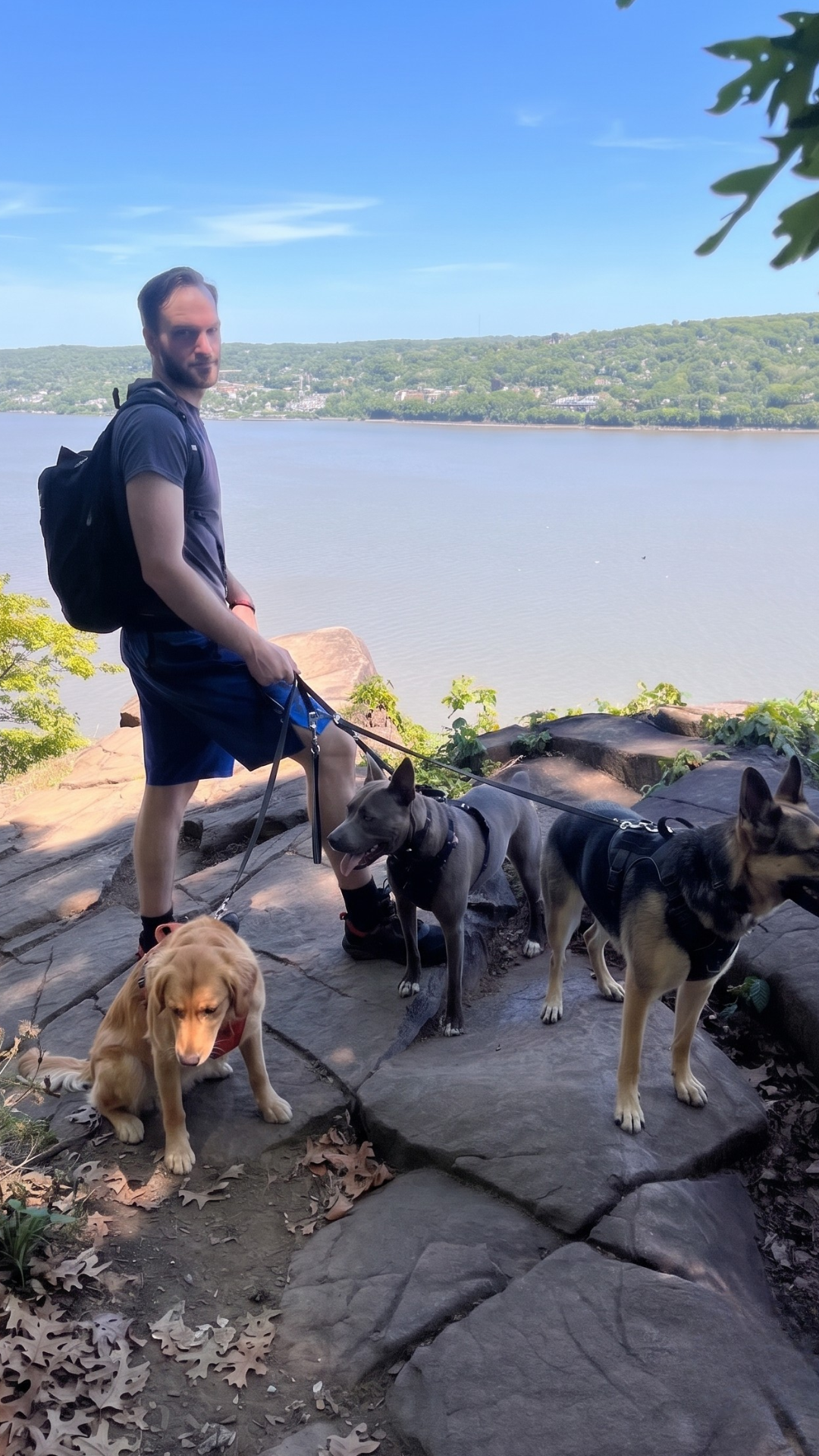
The Best Off-Leash Dog Hiking Trails Near NYC: Where Your Dog Gets to Actually Run
NYC dog owners know the loop. Prospect Park. The same three blocks. Your dog knows it too. Here are five specific off-leash trails within two hours of the city.
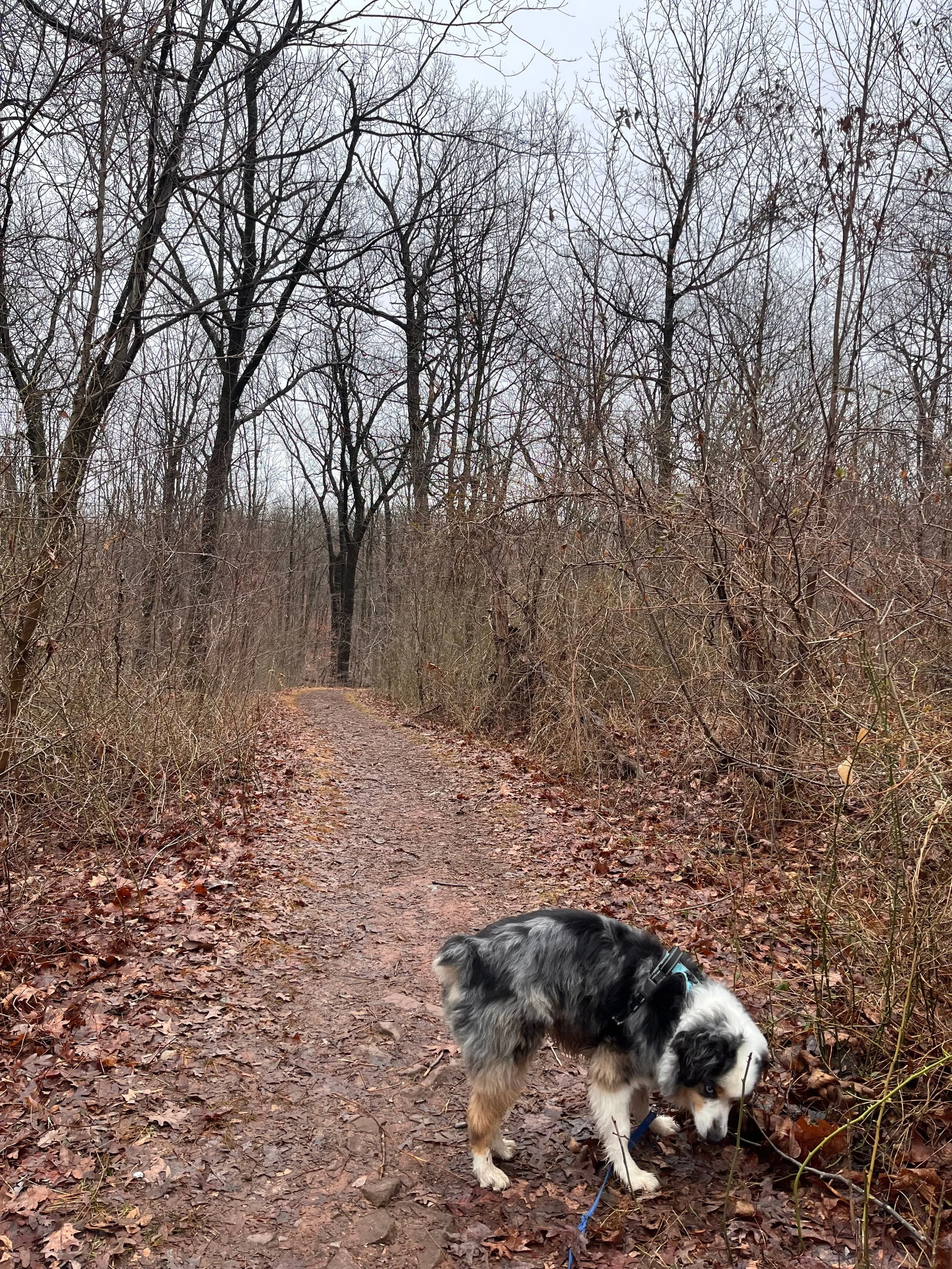
Ollie’s Adventure

Signs Your Dog Isn't Getting Enough Mental Stimulation
We spend a lot of time with city dogs and we see this consistently. A dog can get two walks a day, have a yard, go to a dog run on weekends, and still come home and tear up furniture, bark at nothing, or pace around the apartment like something is wrong. Nothing is wrong with the dog. The dog is bored in a very specific neurological way and the solution isn't more steps on the sidewalk.

Three Healthy Homemade Dog Meals Under $2.50 a Serving
Most city dogs eat the same kibble every day of their lives. While that does the job, rotating in a fresh, homemade meal a few times a week can transform their gut health and energy levels. We have put together three clean, easy recipes that cost less than $2.50 a serving and use simple ingredients you can find at any local grocery store.

Why We Keep Our Groups Small on Purpose
Why do we cap our groups at a fraction of the industry standard? Because your dog deserves a guide, not a wrangler. Learn why the size of the pack determines the quality of your dog's day and why we built this for the dog, not the business model.
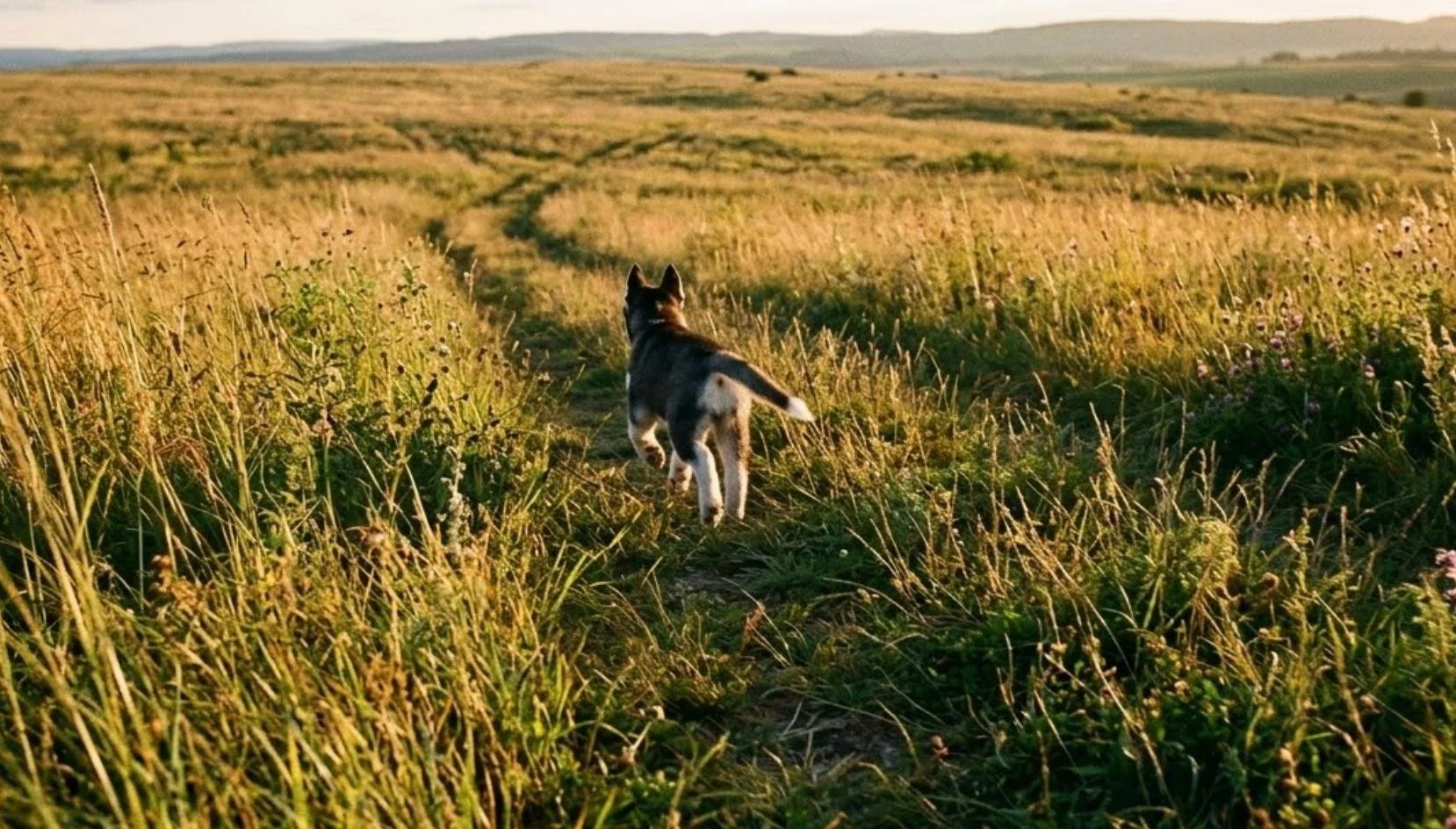
What to Expect on Your Dog’s First Off-Leash Hike
A first off-leash hike can feel like a big step for any NYC dog owner. Here is what the day actually looks like, how we make safety decisions, and why most dogs settle into the experience faster than their owners expect.

Dog Daycare vs Dog Hiking: Which Is Better for a High-Energy NYC Dog?
Dog daycare and dog hiking can both help active dogs, but they do very different things. For many high-energy NYC dogs, the right fit depends less on how tired they look after and more on what kind of outlet they actually need.
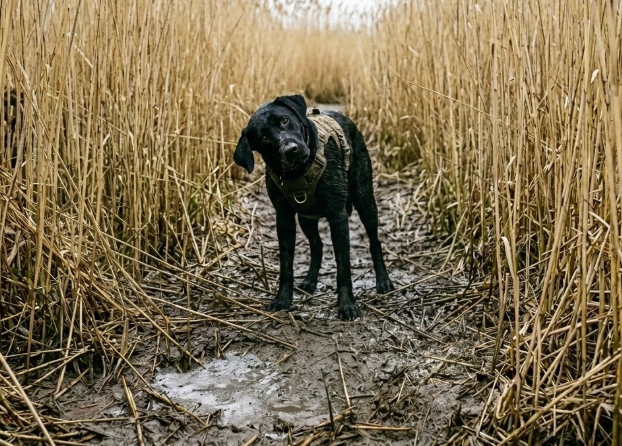
Is your dog actually hyper, or just bored? Why one trail day equals three days of apartment calm
If your dog is still restless after a long walk around the block, they might not need more miles. They probably need better miles. Many NYC owners think the solution to a hyper dog is a faster jog or a longer loop, but the real secret to a calm apartment dog is mental fatigue. We break down why a day on the trail is more effective than a week on the pavement and how meeting your dog's instinct to explore can create a "three day off switch" for their energy.

Safety First: A look inside the adventure bag we carry on every Hudson Valley hike
A transparent look inside the Concrete to Creek adventure bag. These are the safety and trail essentials we carry on every Hudson Valley hike, from canine first aid and long lines to GPS, water, and high-value rewards.

How I Keep My Dog Sane in a 500sq ft NYC Studio: The Apartment Enrichment Playbook
Living in a 500 square foot studio with a high energy dog is a challenge. I am Nick from Concrete to Creek and I know the NYC grind. Here are six DIY enrichment hacks to tire out your pup's brain without ever leaving your apartment.
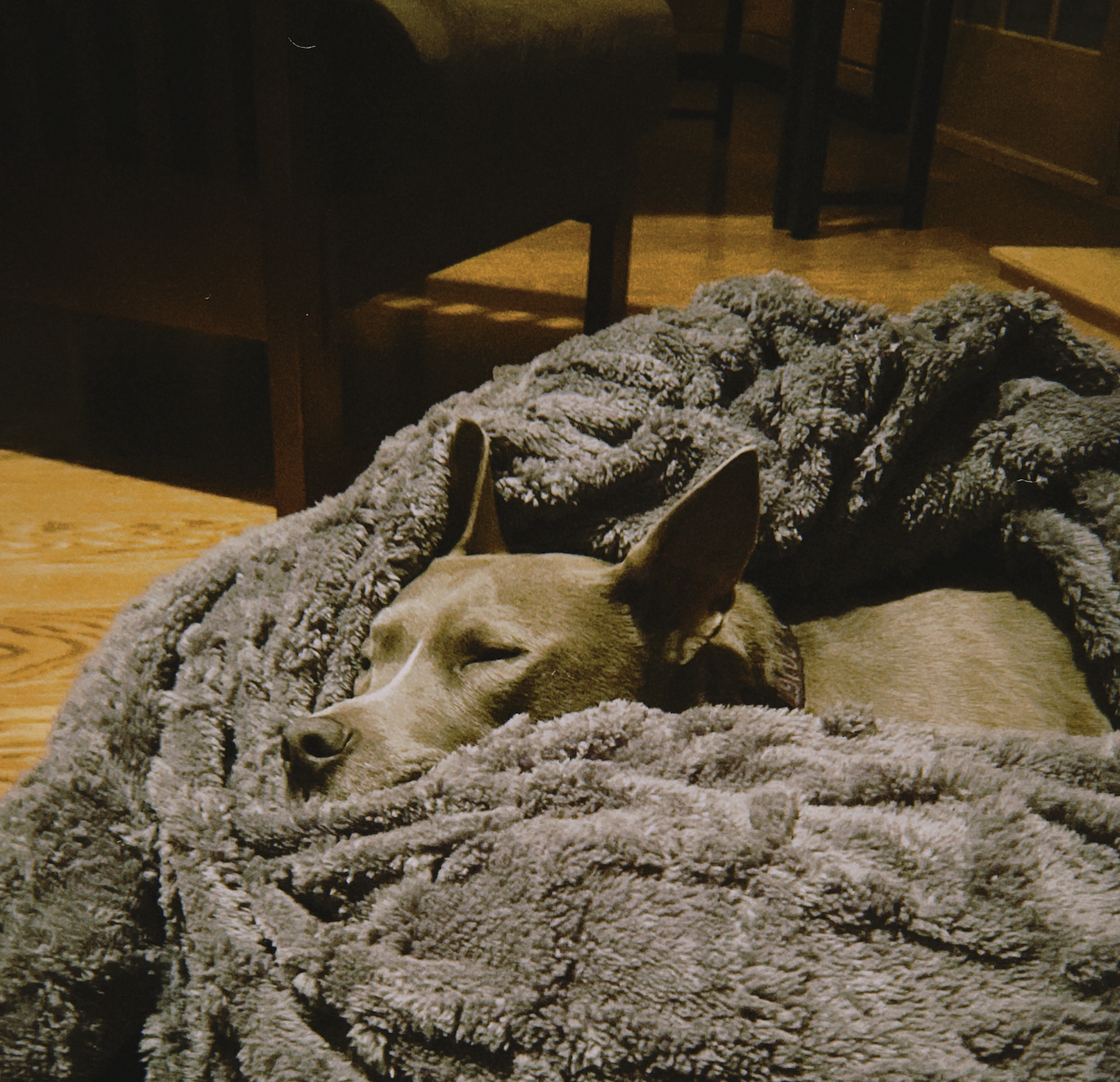
The Decompression Hike: Why Your City Dog Needs More Than Just a Walk
Is your city dog stressed? Learn why NYC pups need decompression hikes to lower cortisol and find biological fulfillment away from the concrete jungle.

The “Muddy Paw” Protocol: How We Keep the Trail Out of Your Apartment
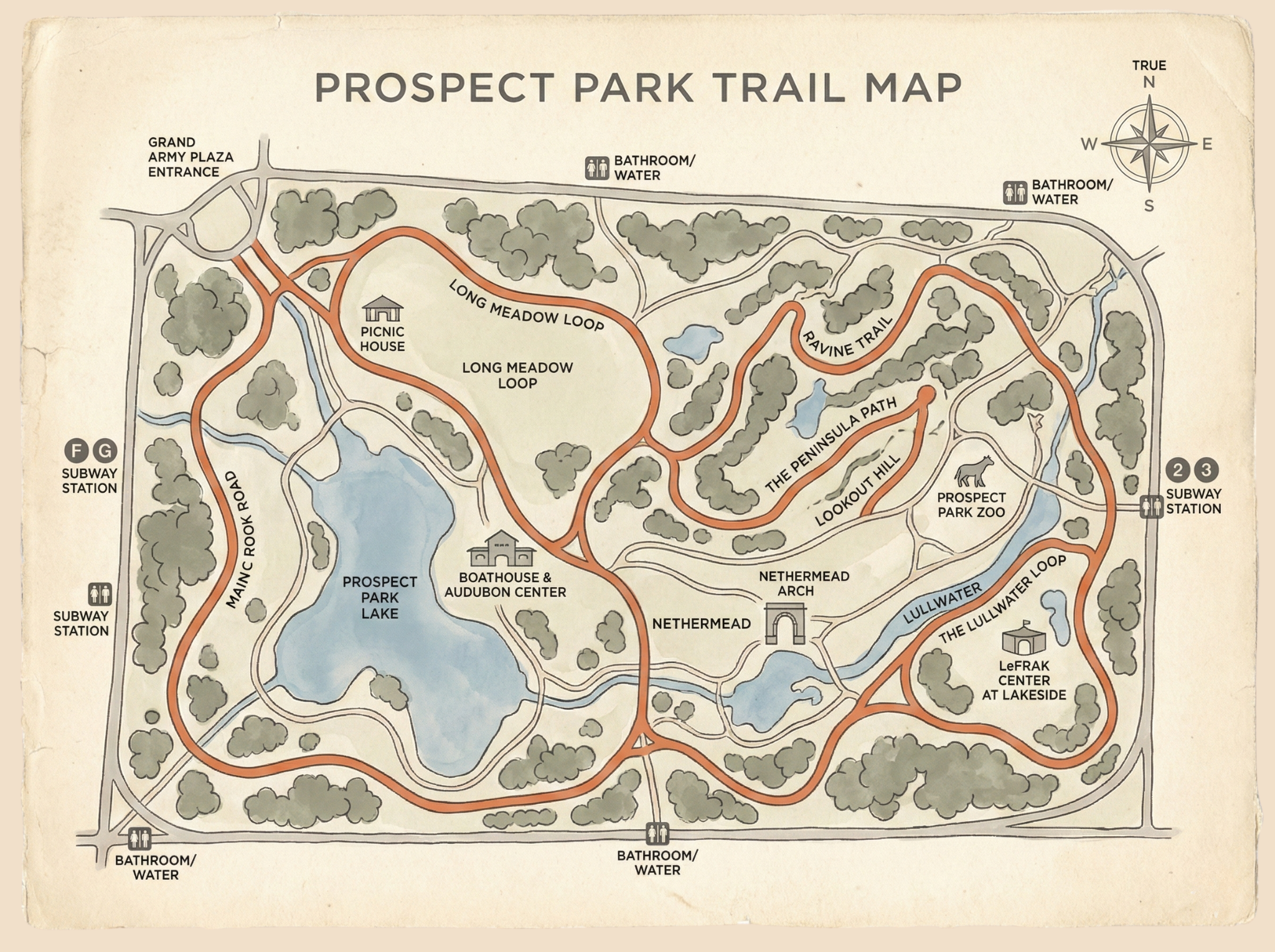
Navigating Prospect Park: Routes for Every Dog Temperament
Prospect Park offers 526 acres of variety, but navigating it with a high-drive or reactive dog requires more than a standard leash. In this guide, Concrete to Creek breaks down the park into specific route cards, including the Ravine, Lookout Hill, and the Peninsula, complete with Google Maps start points, crowd windows, and professional handling tips. Learn how to time your walks to avoid the "Loop" cyclists and find the quietest paths for decompression and training.
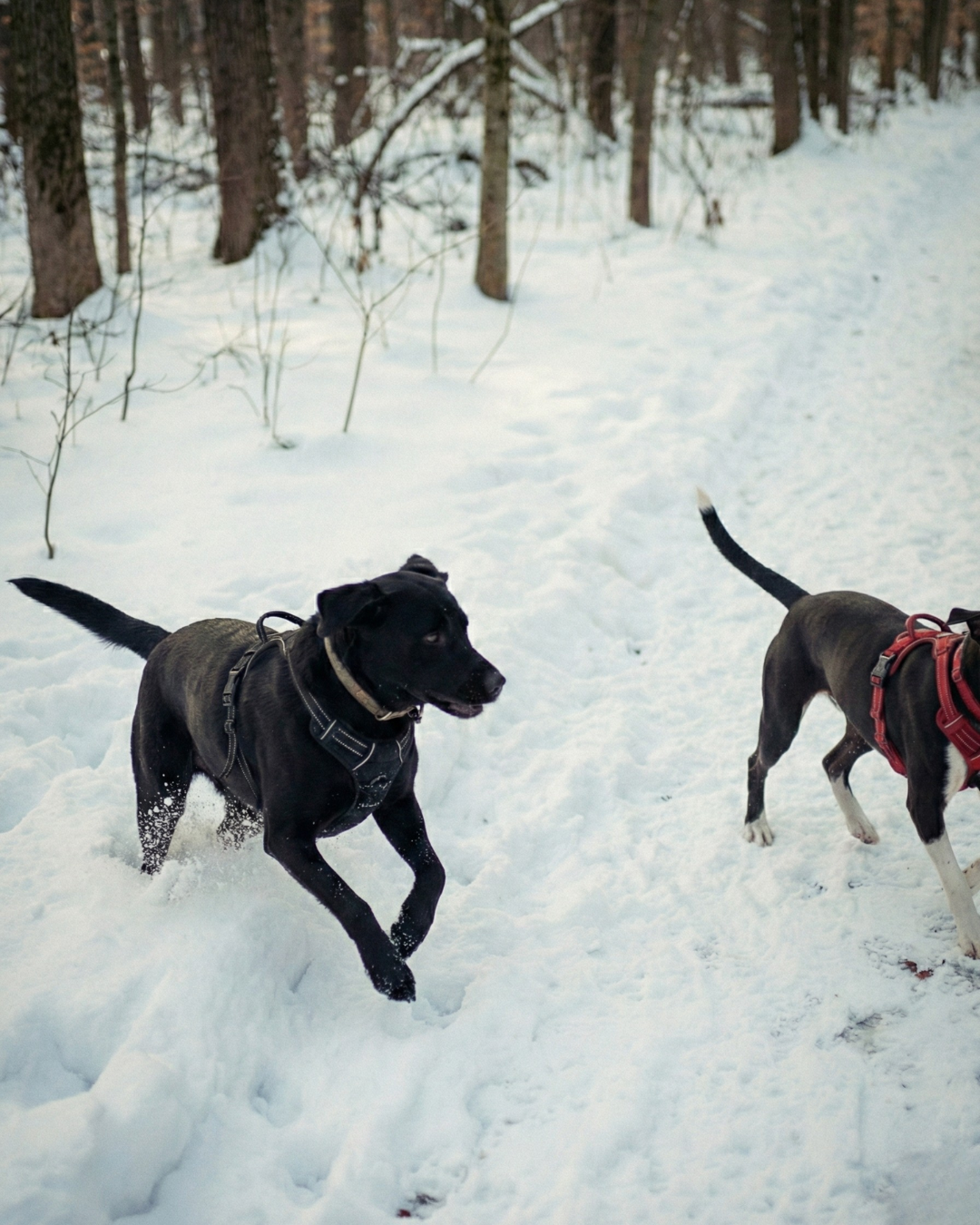
3 Best Dog Hikes Within 1 hour of NYC (Driving)
Looking to swap the Brooklyn sidewalk for a mountain ridge? Concrete to Creek reviews the three best dog-friendly hikes within an hour of NYC. From the steep climbs of Bull Hill to the rocky vistas of Anthony’s Nose, we provide the logistics, difficulty ratings, and professional handling rules you need for a safe, structured wilderness adventure with your dog.
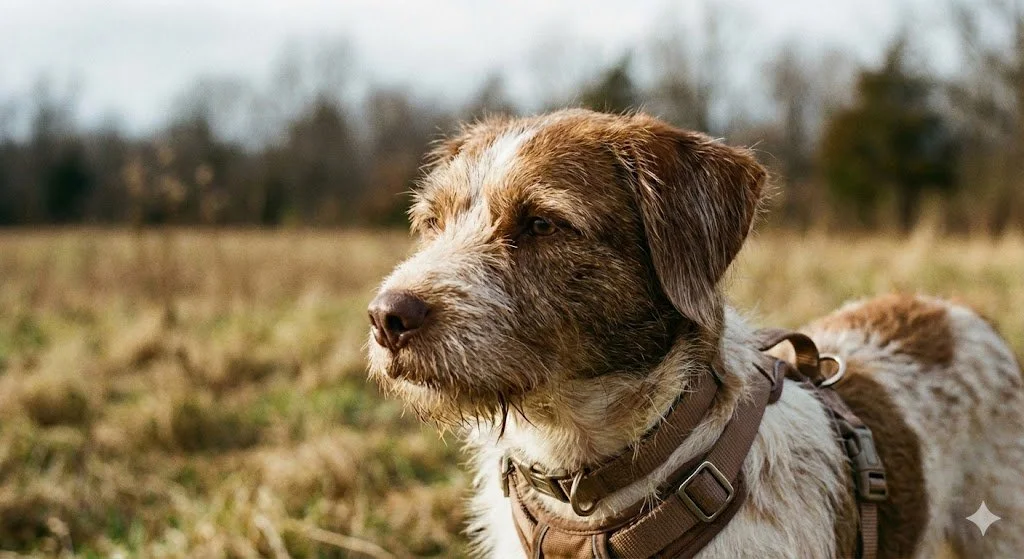
Chapter 6 : Consistency Is What Makes Calm Last
Calm doesn’t last because of intensity. It lasts because of consistency. This chapter explains how predictable routines and steady expectations make regulation durable.
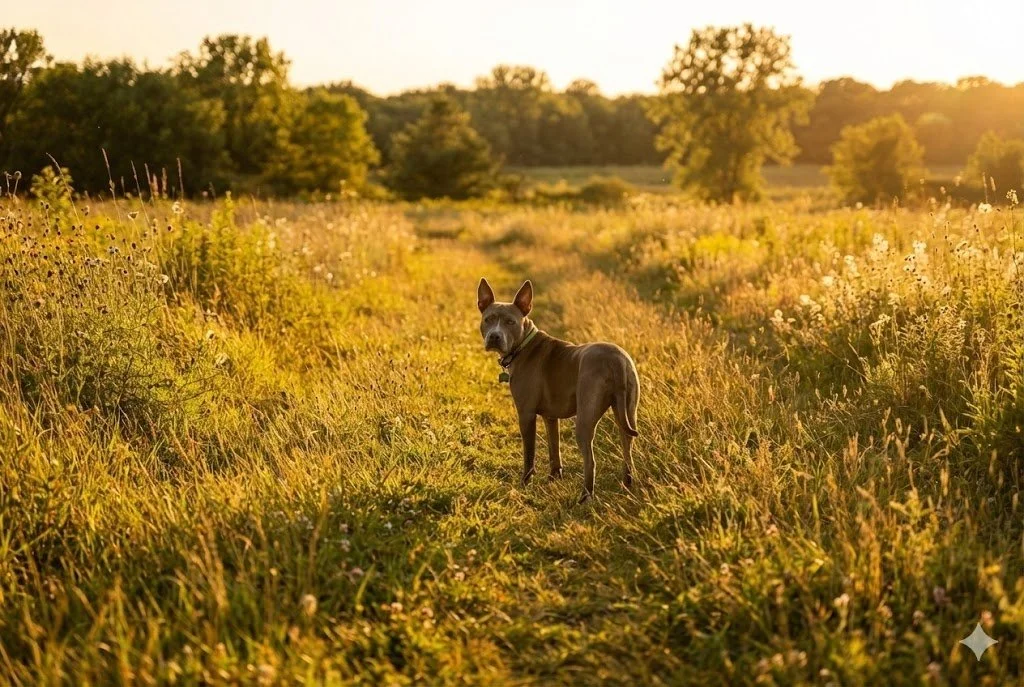
Chapter 5 : Choice Creates Confidence
Calm behavior comes from thoughtful choice, not constant control. This chapter explains how supported decision-making builds confidence and regulation in dogs.
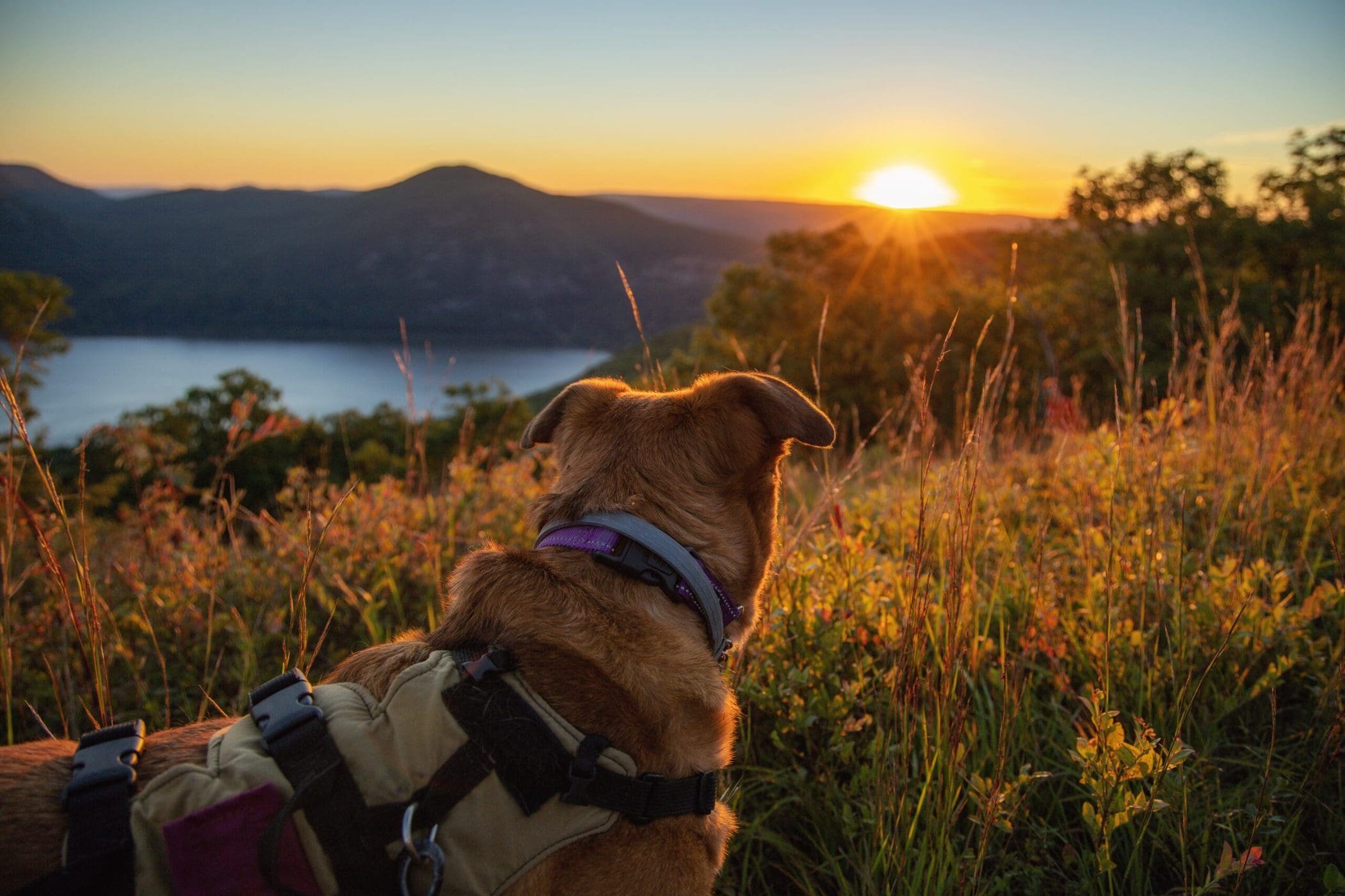
Chapter 4 : Environment Shapes Behavior
Dogs don’t misbehave in isolation. Their behavior reflects the environment they’re navigating. This chapter explains how thoughtful exposure and environmental choices support calm behavior.It All Begins Here
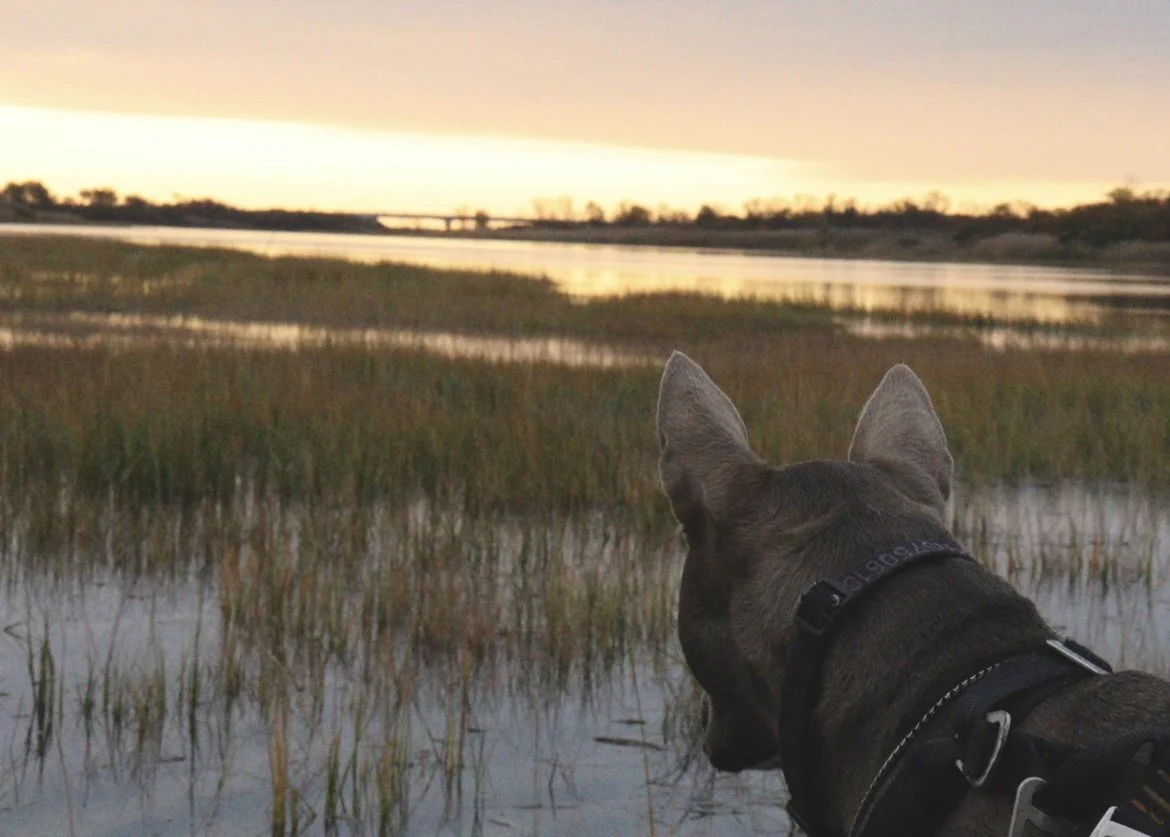
Chapter 3 : Transitions Matter More Than Activity
Calm dogs aren’t created by more exercise. They’re created by clear transitions. This chapter explains how pauses, endings, and predictable routines help dogs regulate between activity and rest.