
There is a quiet argument happening on every block in this city and most people involved in it have never said a word out loud.
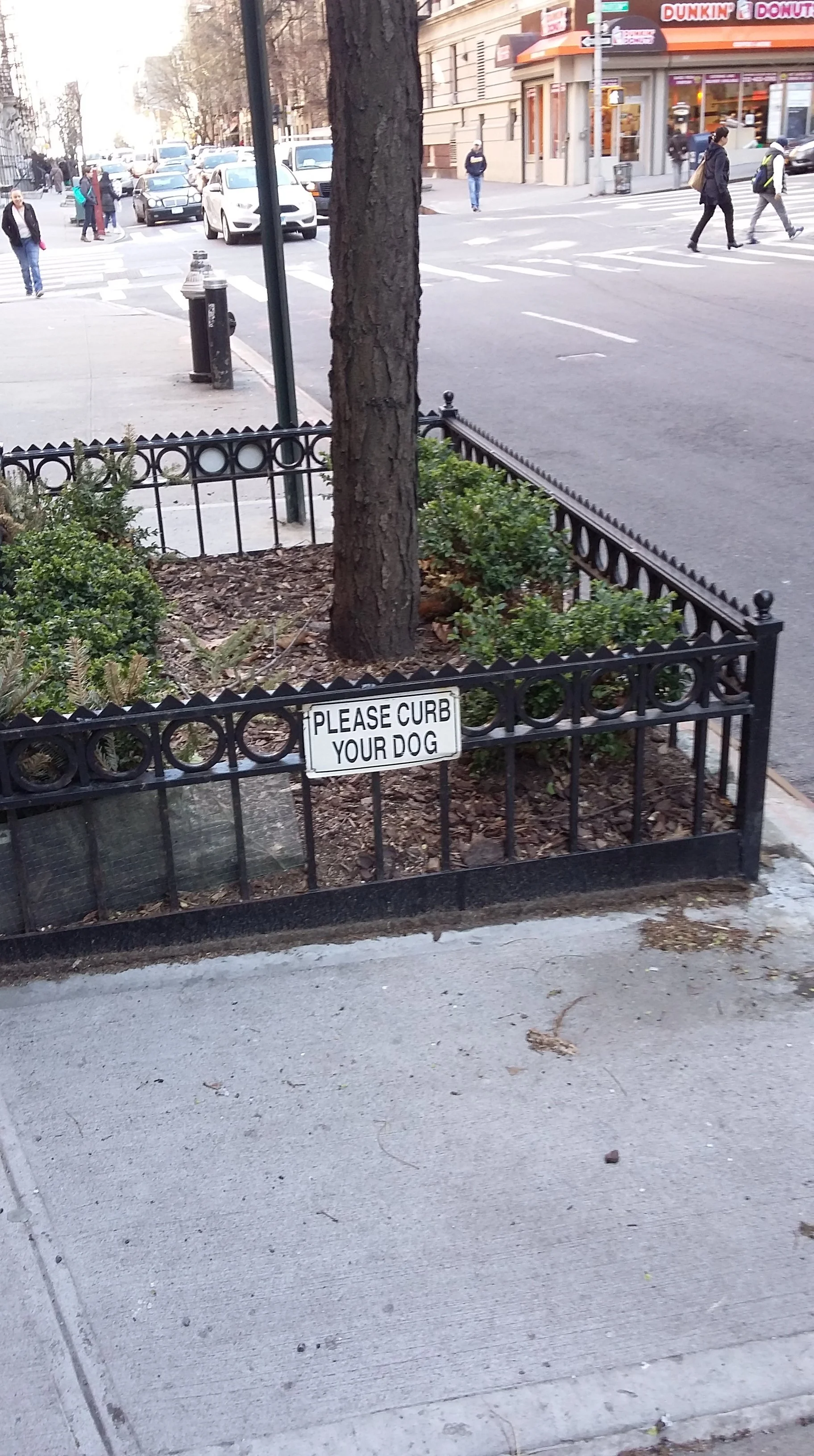
On one side is the person who planted the tree pit outside their building, waters it in July, and watches things die in it anyway. On the other side is the dog owner walking past who sees a patch of dirt on a public sidewalk and thinks, reasonably, where else is my dog supposed to go.
Both of them feel completely justified. Neither of them is being unreasonable. And there is no rule anywhere that settles it.
I run a dog hiking company, so I am firmly on team dog. But I also spend most of my week in the woods and I have opinions about plants. So here is the honest version of what is actually going on, and what you can do about it that does not require anyone to feel bad.

The part where I tell you your dog is killing that tree
Dog urine is loaded with nitrogen and salt.
A little nitrogen is fine. Plants want nitrogen. It is the main ingredient in most fertilizer. The problem is dosage. In excess, nitrogen goes from food to poison, and a city tree pit on a busy block is not getting a little. It is getting hit dozens of times a day, every day, by different dogs, in the same square of dirt.
One study of a heavily walked green space found it was taking in roughly 11 kilograms of nitrogen per hectare per year from dog urine and waste alone. That is fertilizer-level input applied at random to plants that never asked for it.
Then there is the salt, which dries plants out the same way road salt does in winter. And over time the urine breaks down into acidic compounds that weaken bark and open the door to disease and pests.
A mature street tree is not going to die because your dog peed on it. The ones that die are the young ones.
Here is the nuance, though, because I do not want to overstate it. A big mature street tree with an established root system is not going to die because your dog peed on it. Those trees are tougher than people give them credit for.
The ones that die are the young ones. A newly planted tree with a small root system, taking constant urine in a confined pit, is genuinely at risk. One ecologist put it plainly when asked: that could absolutely kill it.
Same goes for the small plantings people put in around the base. Those are the first casualties, every time.
The part that makes this a fight
New York City passed the Canine Waste Law in 1978, the famous pooper scooper law. It was a genuinely big deal. Before it, the sidewalks were a disaster. The law made owners responsible for picking up after their dogs, other cities copied it, and it worked.
But read it and you will notice something. It covers solid waste. It says nothing at all about urine.
The Department of Sanitation has confirmed there are no specific regulations about where a dog can or cannot pee. The Parks Department has rules against damaging trees, you are not allowed to kill, carve, prune, or otherwise physically harm one, but urine has never been classified as falling under that, even though the science says it can.
So the single most common thing dogs do to street plants is the one thing nobody regulates.
Which means the rules get made informally, block by block, and everyone is walking around with a different version in their head. That is exactly why it stays a low simmer instead of ever getting resolved. It is not a rules dispute. It is a values dispute with no referee.
What you can actually do about it
Here is the good news. This is one of those problems where small, easy choices solve most of it.
Aim for the boring surfaces
Concrete, gravel, mulch, dirt with nothing growing in it. If your dog is going to go, steer them toward something that does not care. This is genuinely most of the solution and it costs nothing.
Steer away from the young trees especially
If a tree looks newly planted, still has a support stake, or has a thin trunk, that is the one to walk past. The mature oak on the corner can take it. The sapling cannot.
Rinse if you are home
If your dog goes somewhere you would rather they had not, and you are right there, a bottle of water over the spot dilutes it considerably. Not always practical mid-walk, but it makes a real difference in your own tree pit.
Plant things that can take a beating
If you are the one caring for a tree pit or a small front garden, some plants tolerate this much better than others.
The toughest options handle both high nitrogen and salt. Camellias do well in nitrogen-rich soil. Abelia gets planted over and over in this city specifically because it survives dog traffic and still looks decent. Osmanthus, Japanese spindle, and Fatsia have thick, hard leaves that urine does not penetrate easily. For something more common, black-eyed Susan, lavender, and daylilies are hardy enough to shrug off occasional exposure.
You are not going to find something bulletproof. But there is a big gap between a hosta and an abelia, and picking right saves you a season of frustration.
The better answer: build a spot on purpose
Here is the idea I keep coming back to, because it solves the problem instead of just managing it.
Give dogs somewhere to go.
Dogs are creatures of habit and they are drawn to vertical markers. If you put a small designated area on the block with good drainage and something to aim at, dogs use it. Consistently. And they stop using the tree pit next door.
The basic build is simple. A patch of pea gravel or river rock over a crushed stone base with landscape fabric underneath so nothing grows through. A post in the middle, a piece of driftwood, a rock, anything vertical, because that is what a dog is actually looking for. A border of bricks or edging so it reads as intentional rather than a pile of rocks. A small sign so people understand what it is.
For a spot about four feet square, you are looking at roughly a hundred dollars in materials. That is it.
A few things separate the ones that work from the ones that get ignored. Placement matters most, it needs to be right where dogs already want to go, near the corner or the building entrance, not tucked out of the way. It needs occasional maintenance, a rinse now and then so it does not turn. And it needs a clear visual cue so it reads as here, not there at a glance.
Some blocks in this city are already doing this. It works. It just needs more people to know it is an option.
The actual point
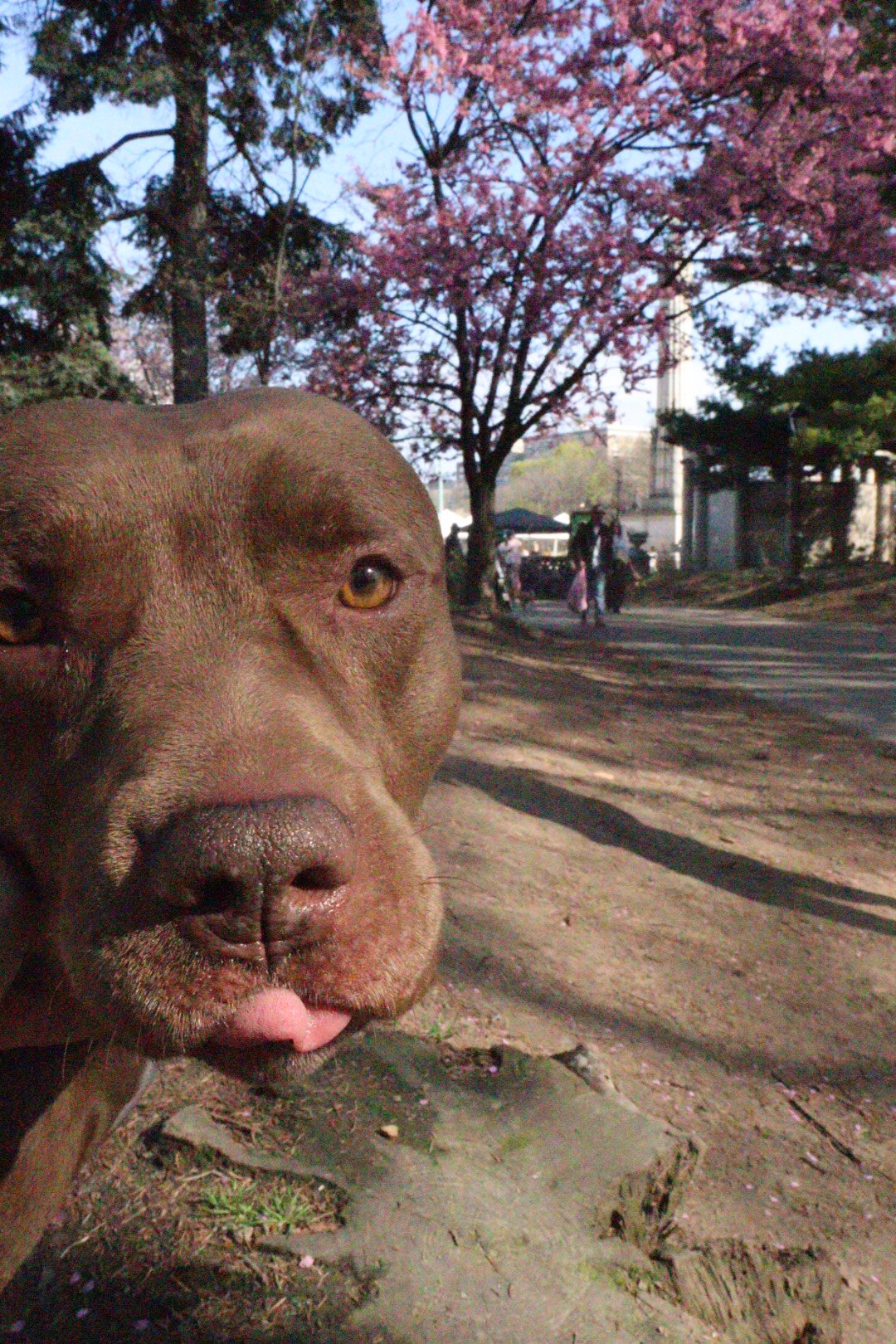
Your dog has to pee. Nobody is arguing otherwise, least of all me.
But where they pee is a choice you make on their behalf, dozens of times a day, and in a city this dense those choices stack up into something that shows. The dead tree pit on your block did not happen because one person was careless. It happened because two hundred people each made a small unconsidered decision in the same square of dirt.
The fix is not guilt and it is not a new law. It is steering toward the curb, walking past the sapling, and maybe putting a hundred dollars of gravel somewhere useful.
Be the neighbor who thought about it.
Concrete to Creek takes city dogs on off-leash hikes in real nature, with door-to-trail transport and small groups. If you are interested in sponsoring or building a dog relief spot on your block, get in touch. We are happy to help figure it out.
Book a free consultation walk